


You coming here is a strong indication of your willingness to take your life to the next level. You find deep insights here that are not shared elsewhere. From the author of @goodmindsquote
Check out out books 👉 Book Store

The Wisdom of Being Wrong
There is something strangely uncomfortable about being wrong.
You can listen to someone explain a different perspective and still find yourself preparing a response before they’ve finished speaking. You can receive advice from someone who genuinely wants to help you, yet spend the entire conversation searching for reasons to reject it. Even when a small part of you suspects they might be right, another part insists that admitting it would somehow make you less intelligent.
So you defend your opinion. You collect arguments. You raise your voice, sometimes without realizing it. And by the end of the conversation, you may have protected your pride while losing the opportunity to learn something valuable.
We all do this sometimes. We want to be understood, respected, and taken seriously. But somewhere along the way, the desire to be right can become stronger than the desire to understand.
And that is a dangerous place to be.
Because the moment you believe you have nothing left to learn, you begin closing the doors through which wisdom could enter.
You Know More Than You Did Yesterday, But Less Than You Will Tomorrow
Think about the person you were five years ago.
Remember the things you believed with complete confidence?
The opinions you defended without hesitation?
The decisions you thought were unquestionably right?
Perhaps you would make some of those same decisions today. But perhaps you would also look back and wonder how you could have misunderstood certain people, overlooked certain truths, or been so certain about something you barely understood.
You were not necessarily foolish back then. You were simply working with the knowledge, experience, and perspective you had at the time.
And that is the point.
One day, you may look back at the person you are today with the same realization.
There are things you haven’t experienced yet, people you haven’t met yet, books you haven’t read yet, and truths you haven’t encountered yet. There are perspectives that might change the way you understand your family, your relationships, your beliefs, and even yourself.
You cannot see every angle of life from where you stand right now.
Neither can anyone else.
The difference is that some people remain willing to discover what they don’t know, while others spend their lives defending the limits of what they do.
Being intelligent isn’t about knowing everything. It’s about remaining curious enough to recognize how much there is left to understand.
Your Ego Can Become Your Worst Teacher
Ego doesn’t always look like arrogance.
Sometimes, it looks like refusing to ask a question because you’re afraid someone will think you’re ignorant. Sometimes, it looks like pretending to understand something you don’t. Sometimes, it looks like dismissing advice simply because it came from someone younger, less experienced, or someone you don’t particularly like.
And sometimes, it looks like turning every disagreement into a competition.
You no longer listen to understand. You listen for weaknesses in the other person’s argument. You don’t ask whether their perspective could teach you something; you ask how you can prove it wrong.
Imagine how much knowledge gets lost in conversations like these.
A younger person might have an insight you never considered. Someone with less education might have practical wisdom you lack. A person who disagrees with you might notice a flaw in your reasoning that everyone else has been too polite to mention.
But if your pride decides who is worth listening to, you may reject the lesson before you ever hear it.
Humility doesn’t mean believing that everyone is wiser than you. It means understanding that wisdom can come from unexpected places.
You can disagree with someone and still learn from them. You can respect a person’s experience without accepting every opinion they hold. You can recognize the value in an argument without surrendering your own judgment.
You don’t have to make yourself smaller to remain teachable. You simply have to stop making your ego bigger than the truth.
Check our discipline book here 👉 Book Store
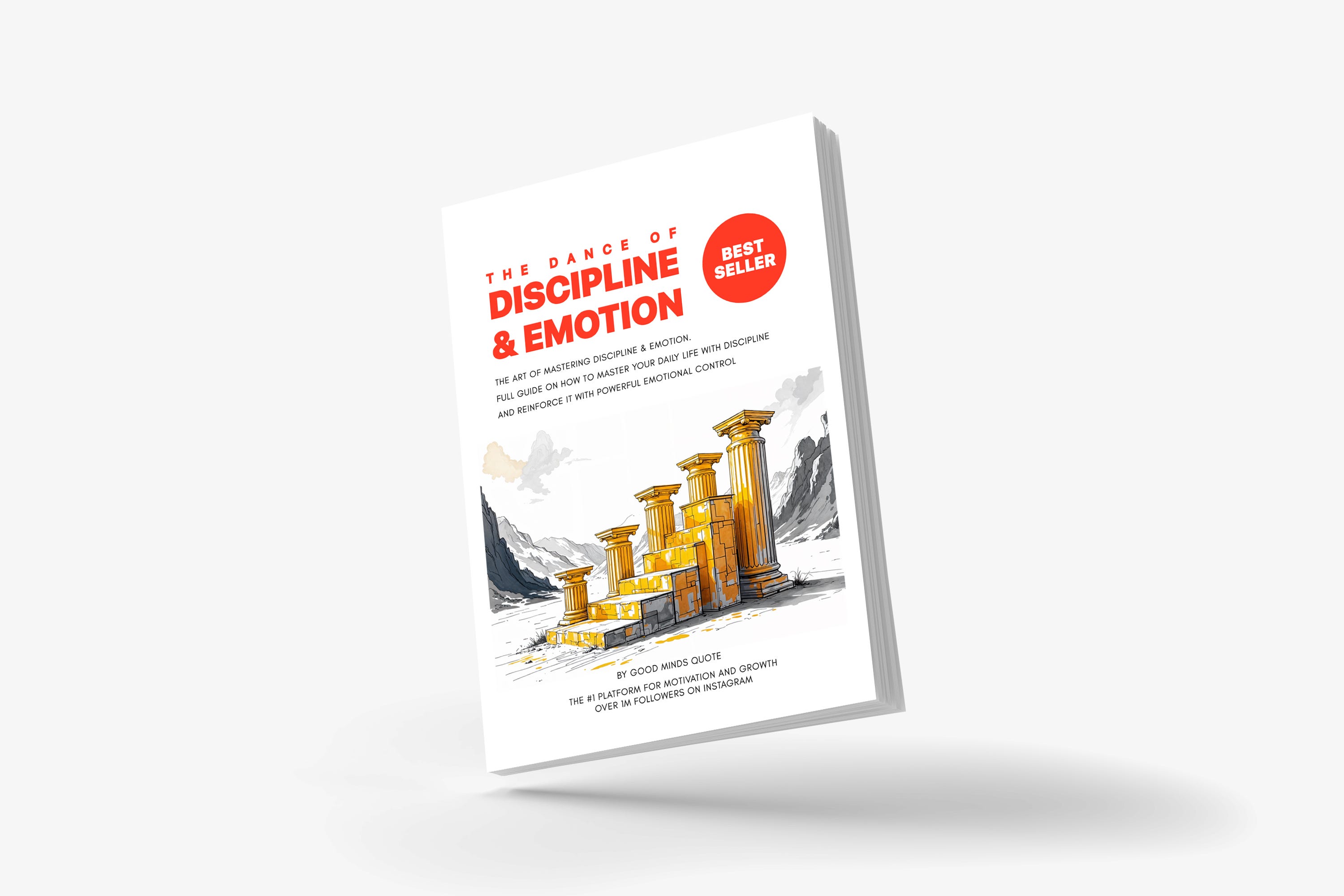
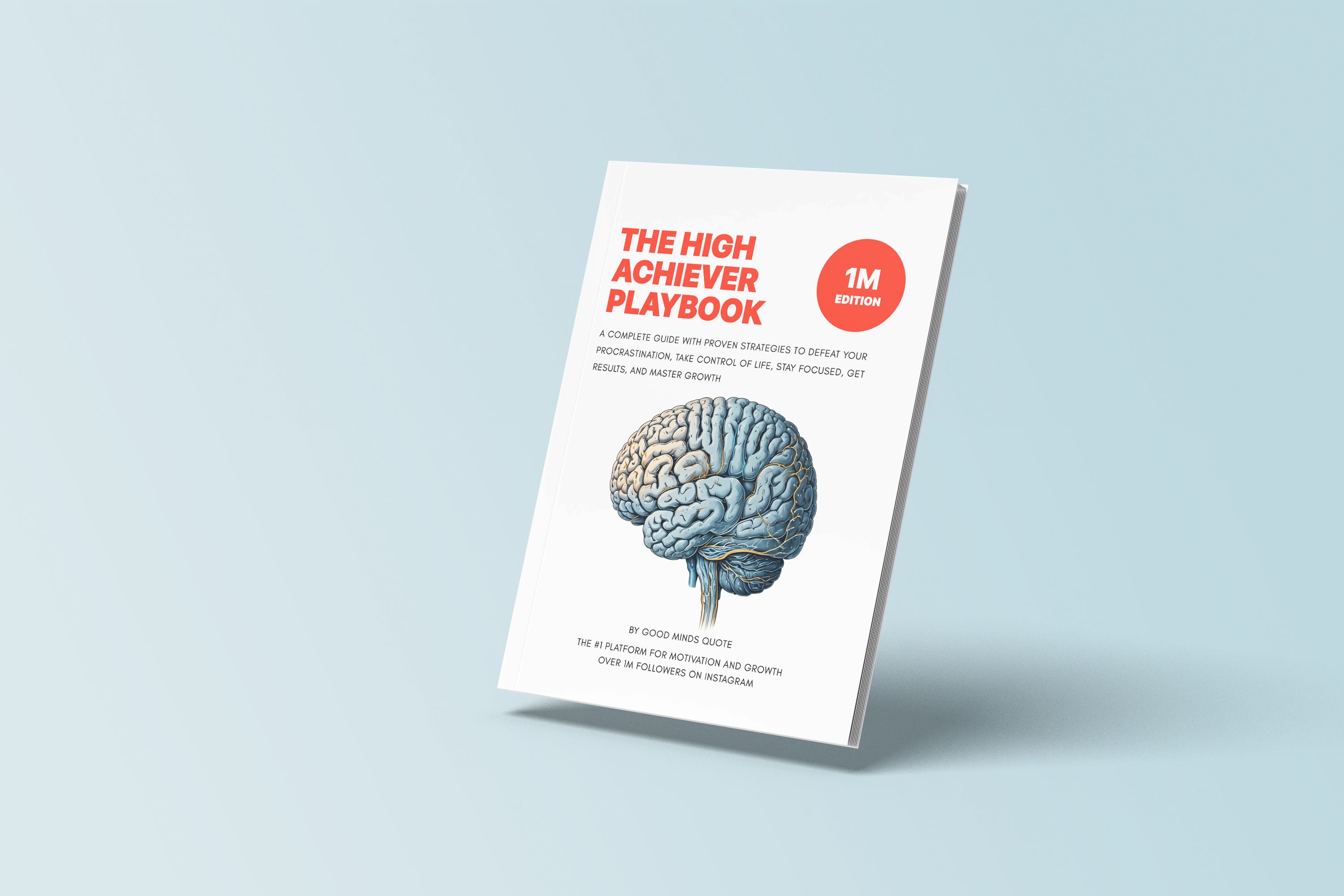
Available in 3 variants: Paperback, e-book and audio-book.
Let’s continue reading…
Listening Is Not Weakness
We live in a world where everyone seems eager to speak.
Everyone has a position, a reaction, a lesson, or an opinion to share. We are encouraged to express ourselves, stand our ground, and never let anyone make us feel small.
There is value in having a voice. But there is also value in knowing when to quiet it.
Sometimes, the most powerful thing you can do in a disagreement is pause and ask, “What am I missing here?”
Not as a trick to make the other person lower their guard. Not as a clever way to prepare your next argument. Ask because you genuinely want to understand.
Listen to the experiences behind their opinions. Consider what they might have seen that you haven’t. Pay attention to the parts of their argument that make you uncomfortable, because discomfort can sometimes reveal where your understanding needs work.
Of course, listening doesn’t mean believing everything you hear. Some people are misinformed. Some are manipulative. Some speak with absolute confidence about things they barely understand.
Being teachable requires discernment, too.
You can listen carefully, question thoughtfully, verify the facts, and still conclude that the other person is wrong.
The difference is that you reached your conclusion through consideration rather than reflex.
And when the evidence changes, you remain willing to reconsider.
The Courage to Say, “I Was Wrong”
There is a particular kind of freedom in those three words.
“I was wrong.”
No elaborate excuse. No attempt to rewrite the conversation. No desperate search for a way to make the mistake sound like someone else’s fault.
Just an honest acknowledgment that your understanding was incomplete.
It sounds simple, but it can be remarkably difficult. We worry that admitting a mistake will damage our reputation, weaken our authority, or make others think less of us.
Yet the opposite can happen.
People learn to trust someone who can acknowledge a mistake without becoming defensive. Relationships become healthier when both people can take responsibility. Decisions improve when we stop protecting old assumptions simply because we have invested so much in them.
You don’t lose your intelligence by correcting yourself. You demonstrate that your commitment to the truth is stronger than your attachment to your own opinion.
And perhaps that is a better kind of confidence: not the confidence that you will always be right, but the confidence that you can handle discovering when you’re not.
You can be wrong about a person. Wrong about a decision. Wrong about what you thought would make you happy. Wrong about the reason someone acted the way they did.
You can even be wrong about yourself.
None of these discoveries has to become a permanent judgment on your character. They can become invitations to understand more deeply and choose more wisely next time.
A mistake becomes far more expensive when your pride refuses to let you learn from it

Don’t Confuse Being Teachable with Being Easily Influenced
There is an important distinction here.
Being teachable doesn’t mean allowing every person you meet to reshape your beliefs. It doesn’t mean abandoning your principles whenever someone speaks confidently. And it certainly doesn’t mean accepting disrespect just because someone claims to be teaching you a lesson.
An open mind is not an empty mind.
You can remain firm in your values while being flexible in your understanding. You can ask difficult questions without becoming cynical. You can learn from people whose lives look nothing like yours without assuming that every choice they make is worth following.
The goal is not to agree with everyone.
The goal is to become someone who can examine an idea without feeling personally threatened by its existence.
Ask yourself:
Is this claim supported by evidence?
Does this person have relevant experience?
Are they helping me see something I overlooked, or are they simply trying to control what I believe?
Does this new information genuinely challenge my understanding, or do I dislike it because it contradicts what I have always assumed?
These questions protect you from both arrogance and blind acceptance.
You don’t need to surrender your judgment to become more open-minded. You need to use your judgment more carefully.
Make Room for People Who Challenge You
It is comfortable to surround yourself with people who agree with you.
They understand your jokes, support your decisions, and rarely force you to reconsider the way you see the world. There is nothing wrong with enjoying that comfort. We all need people who make us feel understood.
But if every person around you confirms what you already believe, you may eventually mistake familiarity for truth.
Sometimes, you need a friend who can tell you that you’re being unfair. A colleague who questions your approach. A teacher who expects more from you than you expect from yourself. Someone who cares enough to disagree without humiliating you.
The right people won’t always make you comfortable. Sometimes, they will help you recognize the habits you have been excusing and the assumptions you have never questioned.
Learn to distinguish between people who challenge you to help you grow and people who criticize you to make you feel small.
One offers perspective. The other seeks power.
And when someone offers you sincere, thoughtful criticism, resist the temptation to reject it simply because it stings.
You don’t have to accept every criticism as true.
But you can give yourself enough time to ask whether there is something useful inside it.
Growth often begins in the space between what we want to hear and what we need to consider.

Stay a Student of Life
The older we get, the easier it can become to confuse experience with complete understanding.
We have lived through certain situations, so we assume we know how every similar situation will unfold. We have been hurt by particular people, so we begin expecting the same behavior from everyone. We have succeeded using one approach, so we assume it must be the best approach for every circumstance.
Experience is valuable, but only when we continue learning from it.
Otherwise, the past becomes a set of rules we force onto a world that keeps changing.
Read something that challenges your assumptions. Talk to people whose experiences differ from yours. Ask questions when you don’t understand. Learn a skill that makes you a beginner again. When you make a mistake, examine it honestly instead of rushing to defend yourself.
And every now and then, allow yourself to say, “I don’t know.”
There is no shame in those words. They are often the beginning of genuine understanding.
You don’t need to have an answer for every question. You don’t need to win every discussion. You don’t need to prove your intelligence in every room you enter.
Sometimes, you can simply listen, think, and leave with a little more wisdom than you arrived with.
That is progress, too.
A Final Thought
The world will keep teaching you, whether you are willing to learn or not.
People will challenge your assumptions. Experiences will expose your blind spots. Mistakes will reveal weaknesses you didn’t know you had. Time will change the way you understand things you once considered certain.
You can meet these moments with defensiveness, or you can meet them with curiosity.
You can spend your energy protecting the person you believe yourself to be, or you can keep becoming someone wiser.
And you don’t have to wait until you are older, more successful, or more experienced to begin.
Start the next time someone disagrees with you. Start the next time you receive criticism. Start the next time you discover that something you believed was mistaken.
Pause. Listen. Consider. Learn.
You will not always be right. Neither will the people around you. But you can choose to become the kind of person who cares more about understanding the truth than winning the argument.
Because the mind that refuses to learn eventually becomes a prison of its own certainty.
Stay humble enough to be corrected, curious enough to keep learning, and wise enough to understand that being wrong is not the opposite of growth. Sometimes, it is where growth begins.
If you appreciate our work, consider supporting us.
”Origin” thrives because of readers like you. Your contribution helps us continue creating fresh content and books for your growth. Plus, you’ll enjoy exclusive premium benefits! Thank you for your ongoing support. We're truly grateful for you.
Be a valued member of Evolution, expand your vision, and support our work!
