


You coming here is a strong indication of your willingness to take your life to the next level. You find deep insights here that are not shared elsewhere. From the author of @goodmindsquote
Discipline: The Quiet Force Behind Everything
We spend so much of our lives searching for the thing that will finally change us.
We look for motivation in a powerful speech, a book that opens our eyes, a person who believes in us, or a moment so painful that we promise ourselves we will never be the same again. Sometimes, it works. For a few days, we wake up earlier, work harder, eat better, read more, and feel as though we have finally taken control of our lives.
Then an ordinary morning arrives.
We wake up tired. The excitement is gone. The work feels boring again. The future seems too far away, and the old habits begin whispering that we can always start tomorrow.
And just like that, we return to where we started.
Perhaps the problem was never that we lacked motivation. Perhaps we were asking motivation to do a job it was never designed to do.
What we need is discipline.
Not the kind that makes you hate yourself for resting. Not the kind that turns your entire life into a punishment. I mean the quiet ability to do what matters, even when your feelings are pulling you in another direction.
Because feelings change. Circumstances change. People change their minds. Even the things we once desperately wanted can lose their excitement.
But the life we build depends on what we continue doing after the excitement disappears.
Check our discipline book here 👉 Book Store
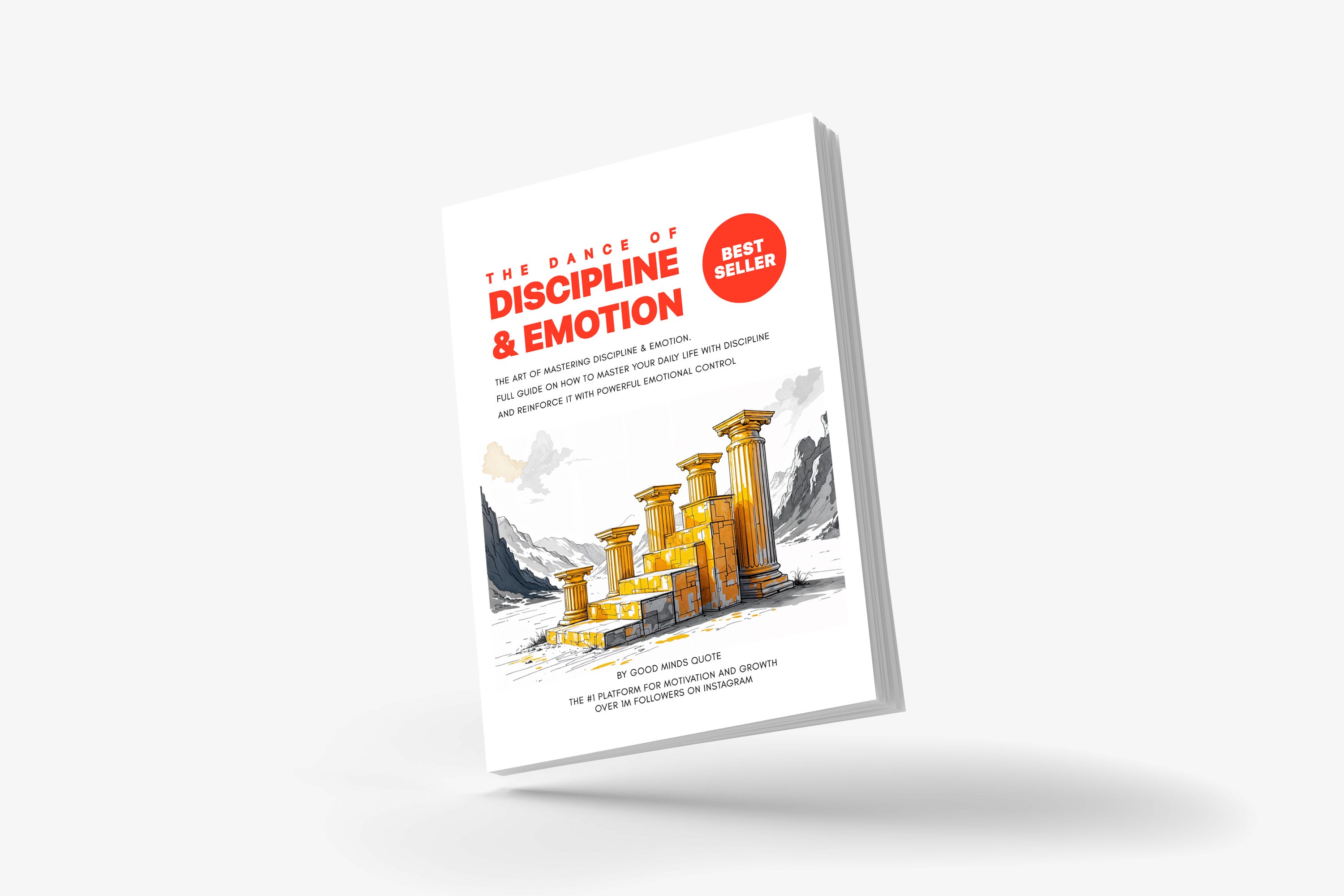
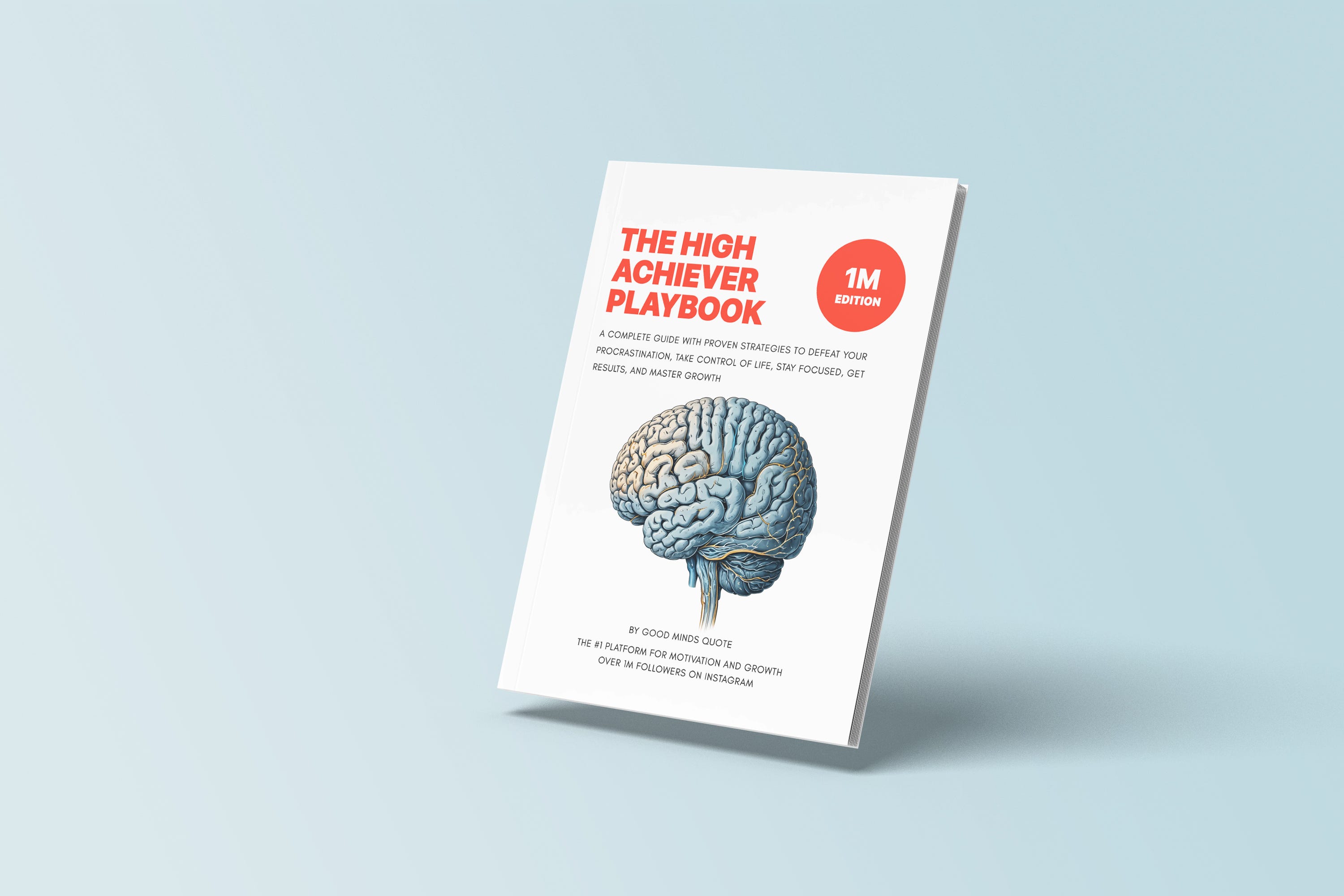
Available in 3 variants: Paperback, e-book and audio-book.
Let’s continue reading…
You Don’t Need to Feel Ready
Think about how many things you have postponed because you weren’t in the right mood.
You wanted to read, but you didn’t feel focused. You wanted to exercise, but you felt tired. You wanted to work on your future, but you weren’t inspired. You wanted to change your life, but the timing never felt right.
We often treat readiness as a requirement for action. We tell ourselves that once we feel confident, we will begin. Once we feel motivated, we will become consistent. Once life becomes easier, we will finally take ourselves seriously.
But readiness is a moving target. If you wait until every doubt disappears, you may spend years waiting for a feeling that was never necessary in the first place.
Discipline teaches you something different:
you can act before you feel ready.
You can open the book while your mind is distracted. You can take the first step while you’re uncertain. You can complete a small task on a difficult day without pretending that the day is easy. You don’t have to conquer the entire mountain every morning. Sometimes, you only need to put on your shoes and begin walking.
The point is not to feel powerful every day. It is to stop making your feelings the final authority over your decisions.
Discipline Is More Than Doing Hard Things
We sometimes imagine a disciplined person as someone who wakes up at five in the morning, follows a perfect routine, never wastes a minute, and never struggles with temptation.
That image misses the point.
Discipline is not about creating a perfect-looking life. It is about creating a life in which your actions reflect what you genuinely value.
It means being able to close the app when you know you have spent enough time scrolling. It means putting money aside instead of buying something simply because you want to feel better for a moment. It means walking away from an argument when your ego wants the last word. It means admitting that you’re wrong when pride tells you to defend yourself.
Sometimes discipline looks like getting up and doing the work. Sometimes it looks like going to bed because your body needs rest.
Sometimes it means saying yes to an opportunity that scares you. Other times, it means saying no to something you desperately want because you understand what it will cost you.
Discipline is not simply controlling your actions. It is learning to choose which actions deserve your life.
And that requires more than willpower. It requires knowing yourself, understanding your emotions, and having a clear idea of the person you want to become.
Every Undisciplined Choice Has a Quiet Cost
Most of the time, the consequences of our choices don’t arrive immediately.
You skip one day of reading, and nothing happens. You waste an afternoon, and the world keeps moving. You avoid one difficult conversation, and you feel temporary relief. You break one promise to yourself, and nobody else even notices.
That’s what makes inconsistency so convincing. Its consequences are often invisible in the beginning.
But days become weeks. Weeks become months. And slowly, the distance between the life you imagined and the life you’re living begins to grow.
The same is true in the opposite direction.
One page may not change your intelligence. One workout may not transform your body. One honest decision may not repair your character overnight. But repeated actions have a way of becoming something larger than themselves.
The person who reads a little every day eventually has knowledge they once lacked. The person who keeps practicing develops skills they once admired in others. The person who learns to pause before reacting gradually becomes less controlled by anger, fear, and impulse.
You rarely notice the transformation while it is happening. You notice it when you look back and realize that something which once felt difficult has become part of who you are.
This is why discipline matters. It allows small choices to work for you long after the moment in which you made them has passed.
You Cannot Control Everything, but You Can Train Your Response
Life will not always cooperate with your plans.
You may work hard and still fail. You may treat people well and still be misunderstood. You may prepare carefully and still face circumstances you could never have anticipated.
Discipline does not guarantee that everything will go your way. It does something more practical: it helps you decide how you will respond when things don’t.
You can be disappointed without abandoning your responsibilities. You can feel afraid without allowing fear to make every decision. You can experience rejection without deciding that your entire future is over.
And when you make a mistake, discipline helps you return instead of turning one bad day into an excuse to give up completely.
This is important because many people don’t lose their progress through one terrible decision. They lose it through the story they tell themselves afterward.
“I’ve already ruined the day.”
“I missed a week, so there’s no point continuing.”
“I’m just not the kind of person who can stay consistent.”
Discipline challenges that story. It reminds you that a mistake is an event, not an identity. You can begin again without waiting for Monday, next month, or the beginning of a new year.
The goal is not to become someone who never falls. It is to become someone who knows how to return.
The Secret Is to Make Fewer Promises and Keep More of Them
There is a particular kind of disappointment that comes from repeatedly promising yourself that you will change and then watching yourself do the opposite.
You promise to wake up early, but you don’t. You promise to stop procrastinating, but you delay again. You promise that tomorrow will be different, yet tomorrow looks remarkably similar to yesterday.
Over time, you may begin to distrust your own intentions.
The solution is not to make a bigger promise. It is to make a smaller one that you can actually keep.
Read five pages instead of promising to finish an entire book this week. Work on your most important task for twenty minutes instead of demanding eight hours of perfect productivity. Take a short walk instead of waiting until you can afford a complete fitness routine.
Start small enough that you can repeat the action, even on an ordinary day.
Then let repetition build your confidence.
Every time you keep a reasonable promise to yourself, you create evidence that your intentions can become actions. Every time you return after a setback, you strengthen the habit of beginning again.
Eventually, you stop needing to convince yourself that you’re capable of change. Your own behavior begins to provide the proof.
But Discipline Without Wisdom Can Become Another Trap
There is something we should be careful about: discipline is powerful, but it is not an excuse to ignore every other human need.
You are not a machine. You will get tired. You will experience grief, illness, uncertainty, and days when simply getting through the day requires more effort than anyone else can see.
Rest is not always laziness. Changing a goal is not always weakness. Asking for help is not a failure of character.
Sometimes the disciplined decision is to continue. Sometimes it is to recover, reconsider, or walk away from something that is harming you.
This is where self-awareness matters. Without it, discipline can become stubbornness. You may keep pursuing a goal that no longer serves you, or punish yourself for being human.
True discipline needs direction. Psychology helps you understand your patterns. Emotional intelligence helps you recognize what you’re feeling without being ruled by it. Faith can give your efforts a deeper purpose beyond status, praise, and achievement.
We have a dedicated book on this, find the book on our website. ( The book is free )
The book is called: Discipline Psychology (comes free with the bundles)
Store: goodmindsquote.shop , worth checking out.
These things are not enemies of discipline. They help you practice it wisely.
Because the objective is not to become so disciplined that you forget how to live. It is to build enough discipline to live according to what matters most.
So, Why Does Discipline Matter So Much?
Because it touches almost every part of your life.
Your health depends partly on the choices you repeat. Your knowledge grows through the effort you sustain. Your relationships need patience, honesty, and the willingness to do the right thing even when it is uncomfortable. Your financial stability often depends on what you do with your money when nobody is watching.
Even your peace of mind can be affected by your ability to set boundaries, regulate your reactions, and stop feeding habits that leave you feeling worse.
Discipline will not solve every problem. It cannot remove every obstacle or promise you a particular outcome. But it can help you stop creating unnecessary obstacles for yourself.
It can help you spend less time negotiating with the habits that keep you stuck and more time building the life you say you want.
And perhaps that is the real meaning of needing discipline: not that you need nothing else, but that so many of the things you want from life require you to show up for them consistently.
You may have talent, but discipline helps you develop it. You may have knowledge, but discipline helps you apply it. You may have a beautiful dream, but discipline helps you carry it through the unremarkable days when nobody is applauding.
A dream can show you where to go. Discipline helps you keep walking.
Start with One Thing
(The most important thing you need to realize)
You don’t need to redesign your entire life today.
Choose one thing you know matters to you. One habit you’ve postponed. One responsibility you’ve been avoiding. One small promise you can keep without waiting for the perfect mood.
Make it specific. Make it realistic. Then do it.
Tomorrow, return to it.
If you miss a day, don’t turn the mistake into a personality trait. Learn what went wrong and begin again. Build a system that makes the right action easier, reduce the distractions that make it harder, and remember why you chose to begin.
Over time, expand your effort. Improve your environment. Learn to work with your energy rather than constantly fighting it. Measure your progress over months, not just by how you feel on a particular morning.
You may not notice much at first. That’s all right. The most important changes in life often begin quietly.
One day, you may realize that you no longer need to argue with yourself about every small responsibility. You simply begin. Not because the work has become effortless, but because you have become more practiced at doing what matters.
And that is a different kind of freedom.
The freedom to stop being a prisoner of every passing feeling. The freedom to trust yourself with the life you’re trying to build.
You don’t need to be extraordinary every day. You need to keep making choices that bring you closer to the person you want to become.
Because in the end, your future is not shaped only by what you dream of doing. It is shaped by what you repeatedly choose to do.
And discipline is how you turn those choices into a life.
If you appreciate our work, consider supporting us.
”Origin” thrives because of readers like you. Your contribution helps us continue creating fresh content and books for your growth. Plus, you’ll enjoy exclusive premium benefits! Thank you for your ongoing support. We're truly grateful for you.
Be a valued member of Evolution, expand your vision, and support our work!
