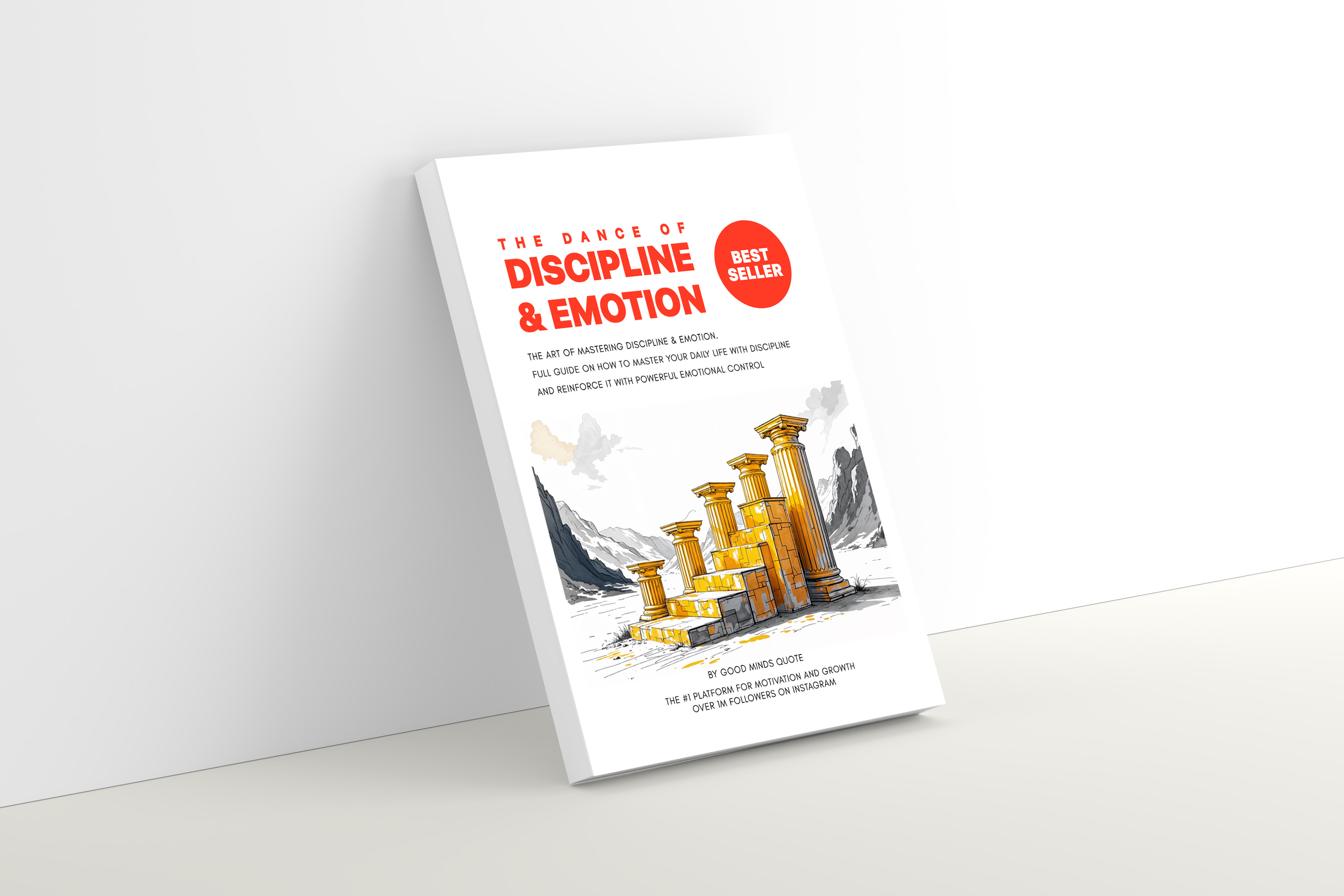
A blog made for the deep thinkers, for those who want clarity amidst the chaos, who’s looking for peace among the showoffs, and for those who prefer authenticity over fake applause.
Most people have goals. Very few people have goals that change them.
You may have written goals before. You may even have felt motivated for a while. But motivation fades, life interrupts, and eventually the goal becomes another unfinished promise.
The issue isn’t ambition. It’s how goals are formed, internalized, and executed.
Real life-changing goals don’t inspire you they restructure your behavior.
Here are 7 techniques that do exactly that…
Before You Go
If you feel stuck right now, it’s not because you’re incapable. It’s because the world has layered you with comfort, clutter, and emotional baggage.
Peel those layers off.
Return to the version of you that was hungry. Focused. Clear. Aligned. Disciplined.
That version of you is still here.
You just need to remove everything that has been burying them alive. And that’s what we are trying to do with these contents. Join us now, and see how your life unfolds.
1. Set Identity-Based Goals, Not Outcome-Based Ones
Most goals fail because they focus on results instead of identity.
“I want to lose 10 kg.”
“I want to make more money.”
“I want to be successful.”
These goals depend on motivation.
An identity-based goal sounds different:
“You become someone who trains daily.”
“You become someone who manages money deliberately.”
“You become someone who finishes what they start.”
Psychologically, your brain protects identity more than outcomes. When a goal aligns with who you believe you are becoming, consistency increases naturally.
Ask yourself: “What kind of person would naturally achieve this goal?” Then start practicing being that person daily.
2. Anchor Goals to Pain You Want to Avoid, Not Dreams You Want to Chase
Dreams inspire. Pain mobilizes.
Your brain is wired to avoid loss more strongly than it seeks gain. Goals attached only to pleasure collapse when effort becomes uncomfortable.
Instead of asking: “What do I want?”
Ask: “What pain will continue if I don’t change?”
Staying unhealthy
Staying financially anxious
Staying mentally scattered
Staying disappointed in yourself
This creates emotional gravity behind the goal. Discipline lasts longer when it protects you from pain, not just promises pleasure.
3. Make Your Goal Small Enough That You Can’t Avoid It
Most people set goals that require a future version of themselves they haven’t built yet.
Big goals trigger avoidance. Your nervous system reads them as threats.
Psychologically, behavior changes fastest through low-resistance actions repeated consistently.
Instead of: “I’ll wake up early every day.”
Start with: “You wake up early once, no matter what.”
Life-changing goals are built from embarrassingly small commitments that you cannot justify skipping.
Consistency beats intensity every time.
4. Tie Every Goal to a Non-Negotiable Routine
A goal without structure becomes a wish.
Your brain does not execute abstract intentions well. It responds to time, place, and repetition.
Instead of saying: “I’ll work on my goal more.”
Decide:
When exactly?
Where exactly?
For how long exactly?
This removes decision-making from the process. Less thinking → less resistance → more execution.
Discipline improves when your environment and routine do the work for you.
5. Track Evidence, Not Feelings
Most people quit because they feel like nothing is changing.
But feelings are unreliable indicators of progress.
Psychologically, motivation strengthens when the brain sees proof. Evidence builds trust with yourself.
Track:
Days you showed up
Tasks completed
Promises kept
Even when results are invisible, evidence keeps you grounded.
You don’t need confidence first. Confidence is the result of evidence.
6. Accept That Goals Will Expose Your Weaknesses
Life-changing goals don’t just improve your life they reveal what’s broken inside you.
Poor emotional regulation
Weak patience
Avoidance habits
Fear of consistency
This exposure is not failure. It’s information.
Psychologically, growth accelerates when you stop judging resistance and start studying it.
Instead of asking: “Why am I like this?”
Ask: “What is this goal revealing about me?”
Every weakness you uncover is a skill waiting to be trained.
7. Don’t Forget God
Discipline alone can carry you far but meaning determines how long you last.
When goals exist only for ego, comparison, or control, burnout follows.
When you see effort as responsibility, consistency as trust, and self-improvement as stewardship
your goals stop being about proving yourself and start being about becoming accountable.
“And that there is not for man except that [good] for which he strives.” (Qur’an 53:39)
This reminds you that effort itself matters even before results appear.
Faith doesn’t remove discipline. It anchors it.
Takeaway
Life-changing goals don’t feel exciting every day. They feel grounding.
They change how you think, how you act, and how you see yourself.
If your goals haven’t changed your life yet, it’s not because you lack potential
it’s because they haven’t been built in a way your mind and behavior can sustain.
Set goals that change who you are, and your life will follow.
Before You Go
If you feel stuck right now, it’s not because you’re incapable. It’s because the world has layered you with comfort, clutter, and emotional baggage.
Peel those layers off.
Return to the version of you that was hungry. Focused. Clear. Aligned. Disciplined.
That version of you is still here.
You just need to remove everything that has been burying them alive. And that’s what we are trying to do with these contents. Join us now, and see how your life unfolds.
“If you’ve already subscribed, send this to someone you care. Let them know and grow like you do. Help them becoming the best version of them.”
Discipline Daily is a reader-supported publication. Enjoy our content directly to your feed.