


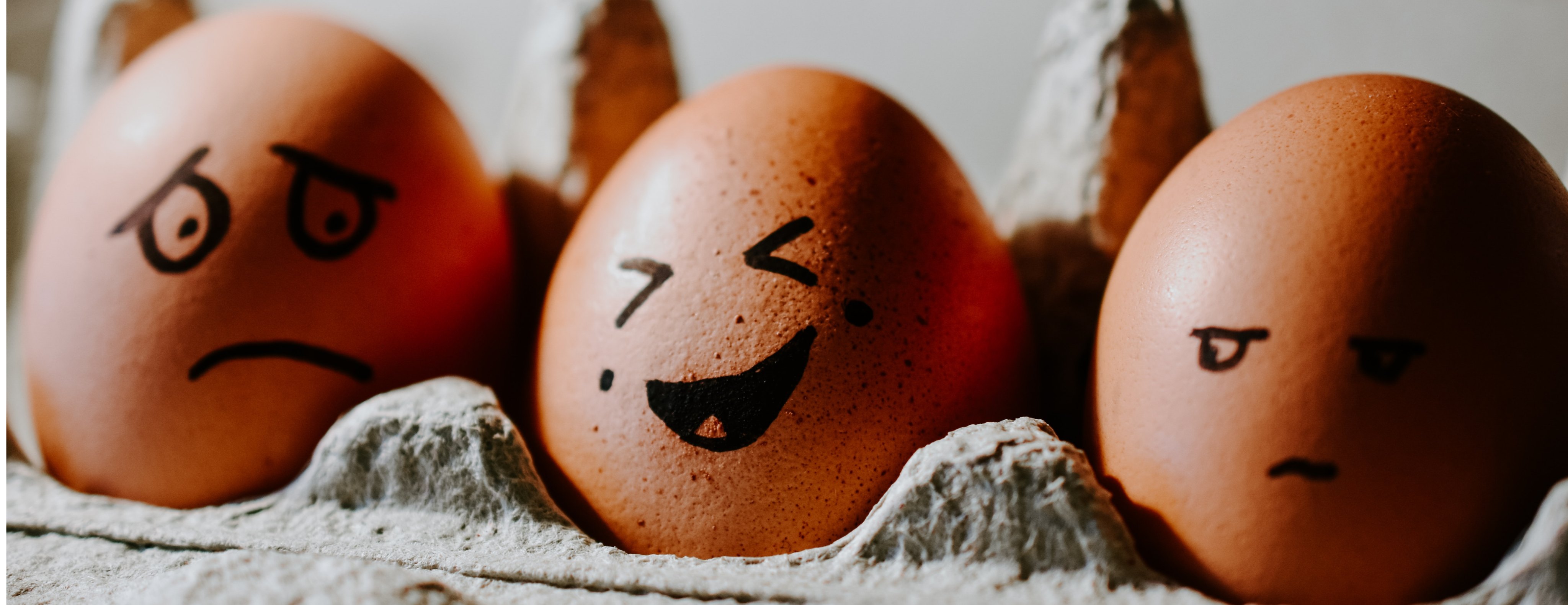
Canvas of Emotion
Emotions are the colors that paint the canvas of our lives. They bring joy, love, and happiness, but they can also cause pain, sorrow, and frustration. Learning to deal with our emotions is an essential part of life, as it allows us to find balance, understand our thoughts and feelings, and lead a fulfilling life.
In this article, I will explore the effects of emotions, the reasons for struggling to control them, how to deal with them, and their good and bad sides.
Our emotions are powerful, affecting us in ways we may not even realize. They can change our behavior, our perceptions, and our decisions. When we experience strong emotions, they can affect us physically, causing heart palpitations, sweating, and even trembling. Our emotions can also affect our relationships, as they can impact our communication and how we interact with others.
Struggles
The inability to control our emotions is a common struggle. This is often due to a lack of emotional intelligence or understanding of our emotions. Sometimes, our emotions can be so strong that they overpower our ability to think logically, leading us to make decisions we later regret. Other times, we may struggle to control our emotions because we have not developed healthy coping mechanisms to deal with stress, anxiety, or other challenges that trigger our emotions.
Ways to Tackle
To deal with our emotions, we must first learn to recognize and understand them. This means taking time to reflect on our feelings, and exploring the underlying causes of those emotions. Journaling, meditating, and speaking with a trusted friend or counselor are all great ways to explore and understand our emotions.
Once we understand our emotions, we can develop healthy coping mechanisms to deal with them. These may include deep breathing exercises, mindfulness practices, exercise, or seeking professional help. Learning to communicate our emotions in a healthy way, rather than bottling them up, can also be helpful.
Bright & Dark Sides of Emotions
The good side of emotions is that they can bring joy, love, and happiness to our lives. They can also be a source of motivation and inspiration, driving us to achieve our goals and dreams. Emotions can help us connect with others, build relationships, and form strong bonds of trust and understanding.
On the other hand, the bad side of emotions is that they can also bring pain, sorrow, and frustration. They can lead to stress, anxiety, and depression if left unaddressed. Uncontrolled emotions can damage relationships, lead to poor decision-making, and impact our overall quality of life.
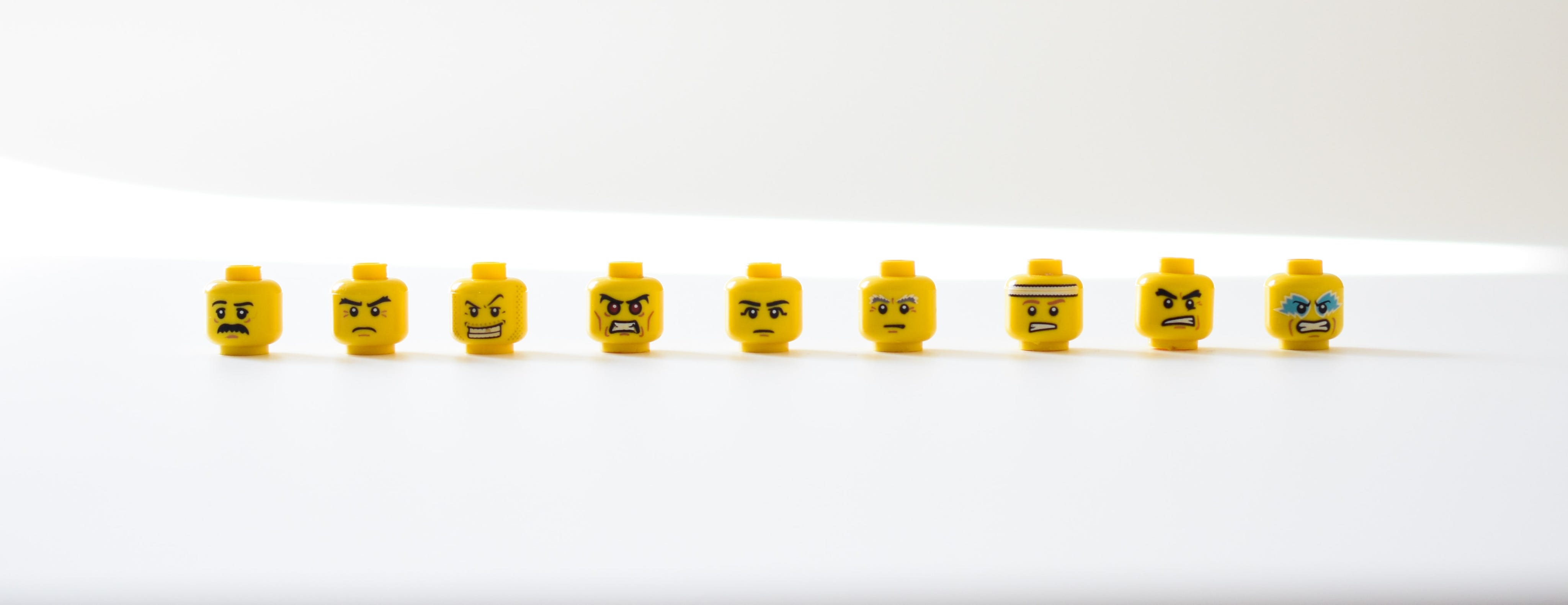
Hiding Emotion is a Disease
Piling up emotions can be harmful in many ways, impacting our mental and physical health, relationships, decision-making, productivity, and personal growth. It's essential to find healthy ways to express and deal with our emotions to live a fulfilling life. Here are some reasons why:
Negative impact on mental health: When we keep our emotions bottled up, it can lead to negative thoughts and feelings, such as anxiety, depression, and stress. These emotions can build up over time, causing us to feel overwhelmed and unable to cope with daily life.
Physical health consequences: Piling up emotions can also have physical health consequences, such as headaches, fatigue, and even chronic pain. These physical symptoms can impact our daily activities and lead to a lower quality of life.
Strained relationships: When we don't express our emotions, it can lead to strained relationships with our loved ones. Bottling up emotions can cause us to be distant or irritable, leading to misunderstandings and conflicts.
Poor decision-making: Unresolved emotions can cloud our judgment and cause us to make poor decisions. This can impact our personal and professional lives, leading to regret and missed opportunities.
Reduced productivity: Piling up emotions can also lead to reduced productivity and focus. When we are overwhelmed with emotions, it can be challenging to focus on our tasks and be productive.
Lack of personal growth: By not addressing our emotions, we may miss opportunities for personal growth and learning. Emotions can be an opportunity for self-reflection and growth, and avoiding them can hinder our progress.

Emotion vs Love
Emotions and love are often used interchangeably, but they are not the same thing. Emotions are feelings that arise in response to different stimuli, while love is a complex emotion that involves deep affection, care, and compassion for another person. Here are some ways in which emotions differ from love:
Duration: Emotions are often temporary and can come and go quickly, while love is a long-lasting emotion that can endure over time. Emotions may arise in response to a particular situation or event, while love is a deep feeling of attachment and care that can last for years.
Intensity: Emotions can be intense and overwhelming, but love is often a more subtle and nuanced emotion. Love involves deep affection, care, and respect for another person, while emotions can be more reactive and intense in nature.
Source: Emotions can arise from many different sources, including our thoughts, memories, and experiences. Love, on the other hand, often arises from a deep connection with another person and a desire to care for and support them.
Involvement: Emotions can be experienced without any direct involvement from others, while love often involves a deep connection and involvement with another person. Love requires an emotional connection, while emotions can be experienced in isolation.
Complexity: Love is a complex emotion that involves many different elements, including affection, care, respect, trust, and commitment. Emotions, on the other hand, are often simpler in nature and can be more easily understood and explained.
Expression: Emotions can be expressed in a variety of ways, such as through words, actions, or body language. Love, on the other hand, often requires a more intentional and deliberate expression of affection and care. Love may involve expressing oneself through thoughtful actions, words of affirmation, or physical touch.
Impact: Emotions can impact our thoughts, behaviors, and reactions in different situations, while love often serves as a foundation for healthy relationships and positive interactions with others. Love can inspire us to be kind, compassionate, and understanding, while emotions may lead us to react impulsively or without much thought.
While emotions and love may overlap at times, they are distinct in their duration, intensity, source, involvement, complexity, expression, and impact. Understanding these differences can help us to cultivate healthy relationships and manage our emotions in a more effective way.
Let’s Summarize
Emotions are an essential part of our lives. They can bring both good and bad experiences, and learning to deal with them is critical to our overall well-being. By recognizing, understanding, and learning to control our emotions, we can lead more fulfilling lives and build stronger relationships with ourselves and others. Remember to take time to reflect, seek help when needed, and develop healthy coping mechanisms to deal with the challenges that life brings.
Follow us on Instagram @goodmindsquote